Whales return to New Zealand

SUBHEAD: After an absence of more than a century Southern Right Whales are again migrating to New Zealand waters. By Stephan MEssenger on 27 June 2011 for TreeHugger - (http://www.treehugger.com/files/2011/06/right-whales-return-to-new-zealand-after-a-century.php) Image above: Fluke of a Southern Right Whale. From original article.

Southern right whales were once a common sight along the coast of New Zealand, though in the 19th century overhunting brought the species to the brink of extinction. But now, after a decades of being virtually non-existant off New Zealand's shores, wildlife experts are seeing endangered right whales finally returning to their ancestral calving grounds -- offering hope that the whales' are rediscovering a 'cultural connection' to this region after a century-long hiatus.

Before they were brought to near-extinction by whalers who considered them to be the best whale species to target -- hence the 'right' in their name -- southern right whales are thought to have numbered in the tens-of-thousands in the waters off New Zealand. In the decades that followed, however, the few surviving whales limited their calving grounds to the sub-antarctic regions to the south, despite the fact that closer to the New Zealand mainland had ancestrally been where they raised their young.

But recently a team of researchers from the University of Auckland and New Zealand Department of Conservation made a remarkable discovery; right whales seemed to be heading home.

"With the increase in numbers observed around the Auckland Islands over the last decade, we think that some individuals are re-discovering the former primary habitat around the mainland of New Zealand," researcher Scott Baker tells The New Zealand Herald.

According to PhD student Emma Carroll, the study's lead author, overhunting in centuries past may have done more than nearly wipe the whales out -- it placed their regional heritage in jeopardy as well. Through a process Carroll calls 'maternal fidelity', mother whales instill calves with knowledge of the pod's native calving grounds.

From The New Zealand Herald:

"This maternal fidelity contributed to the vulnerability of these local populations, which were quickly hunted to extinction using only open boats and hand-held harpoons," Ms Carroll said.

This heritage seemed to have been lost when right whales around mainland New Zealand were wiped out, which slowed the return of whales to their former habitat.

Researchers are hoping that the whales' return to their ancestral calving grounds near New Zealand signals a brighter future for the endangered species -- and that soon many more southern right whales will follow suite. After all, attitudes towards protecting wildlife have changed dramatically in the hundred years since the whales were last seen in the region; perhaps this time we can make it right.

.

Fire & Flood threaten nuke plants

SUBHEAD: The head of the NRC downplayed the risk to public safety posed by wildfires and floodwater that are threatening nuclear facilities in New Mexico and Nebraska. By Staff on 28 June 2011 for CBS News - (http://www.cbsnews.com/stories/2011/06/28/earlyshow/main20074968.shtml?tag=mncol;lst;1) Image above: The Fort Calhoun Nuclear Station surrounded by floodwaters from the swollen Missouri River, June 27, 2011. From original article.

Los Alamos National Laboratory in New Mexico was shut down and evacuated due to an encroaching wildfire.

Los Alamos lab still under threat from blaze

In eastern Nebraska, the Fort Calhoun power plant is surrounded by the swollen Missouri River. Omaha Public Power, which owns and operates that facility, insists that all nuclear material remains high and dry, reports CBS News correspondent Michelle Miller.

On Monday the nation's nuclear regulatory chief went to Nebraska to see for himself: "The risk is really very low at this point that anything could go wrong," said NRC Chairman Gregory Jaczko.

Appearing on CBS' "The Early Show" this morning, Jaczko said the nuclear facilities in Nebraska threatened by flooding - the Fort Calhoun and Cooper stations - are "very prepared right now to deal with that situation.

"It certainly is a challenge, the water levels are very high. But all of the vital safety systems at those plants are being protected," said Jaczko. "And we've got our staff here 24/7, around the clock, to make sure that the licensees take the appropriate action.

"Certainly it is a picture that could cause one to be concerned. But the vital and important safety systems that are inside those plants are being protected. There's lots of sandbags and other kinds of barriers on all the vital doors to make sure that water can't get into places that it shouldn't be."

Anchor Chris Wragge asked about the likelihood of an emergency similar to what occurred at the Fukushima-Da-ichi plant in Japan which was crippled by floodwaters that killed the electrical systems and the cooling systems, creating a near-meltdown.

"That's not what we anticipate," said Jaczko. "All of the vital systems, the electrical distribution systems, are being protected. They have emergency backup diesel generators in the event that they would lose their normal power supplies. So we think that all the right systems are in place. But just to be sure we have our inspectors here making sure, 'round the clock, that all the right precautions are being taken."

Jaczko also said the NRC will render whatever assistance is necessary to the Department of Energy, which oversees the Los Alamos National Laboratory.

Aging nuclear plants a safety risk?

According to a year-long investigation by the Associated Press, the country is far from prepared for a nuclear emergency. Citing the NRC's own data, the report suggests America's nuclear power facilities are outdated and, in some cases, a safety risk.

The report claims 66 power plants have been relicensed to run 20 years beyond their original shelf life, often in once-rural areas that have quadrupled in population since 1980.

Even more alarming, many of these plants are so close to large populations that, in the event of an emergency, a large-scale evacuation would be next to impossible to execute ... especially in a place like Indian Point, just 36 miles from New York City.

"At a time when the nuclear industry is under considerable public scrutiny, this kind of information really doesn't do anything to build public trust or confidence in the nuclear industry," James Acton, senior associate of the Carnegie Endowment for International Peace, told "The Early Show."

"I think the thing that worries me most is, what happens if there is an event similar to Fukushima?" said Acton.

The Fukushima Dai-ichi nuclear power plant was flooded by a tsunami earlier this year, and the NRC told Americans living in Japan to evacuate outside a 50-mile radius ... well above the 10-mile radius standard set up by the NRC 30 year ago.

Fukushima children to receive radiation meters Complete coverage: Disaster in Japan

The AP report concludes with an aging nuclear program - poor maintenance has led to leaks of the radioactive chemical tritium in at least three-quarters of all U.S. nuclear facilities, and has even contaminated drinking water in Minnesota and Illinois.

"I think it's cause for careful public scrutiny and clear transparent answers from the nuclear industry and from the NRC," said Acton.

AP's investigation: Feds, industry rewrite U.S. nuclear history Population density around nuke plants soars Radioactive leaks found at 75% of US nuke sites U.S. nuke regulators weaken safety rules

When asked on "The Early Show" about emergency plans at U.S. nuclear power stations, Jaczko said, "We have a very robust emergency preparedness program. And let me say this: That program really only kind of kicks in after the many, many layers of protection and defense that we have to prevent any kind of release of radiation to the public. All of those systems would have to fail before we would ever really get into a situation to need an evacuation.

"We require every plant in the United States to test those programs every two years. It's a very comprehensive exercise involving state governments, local governments, the NRC, as well as the utilities. So it's a very robust program that is there to ensure, in that very unlikely event, that the people will be protected. "

Wragge also asked Jaczko to respond the AP report's finding that three-quarters of U.S. nuclear power sites have leaked the radioactive isotope tridium.

"Well, first and foremost, this is really not an acceptable situation for any nuclear power plant to have this kind of leaking tridium," he replied. "So we're working with all of the plants that do to make sure they either repair the piping systems or remediate the area to get rid of the ground water in the most effective and most safe way.

"But fundamentally, it's not something where the public is really being threatened from a health standpoint. It's really, right now, just more of a challenge on the reactor sites, and has the potential, if it's not mitigated, to ultimately have some very low-level impacts off the site. But, we're comfortable that the right steps are being taken to prevent that from ever happening."


Ft Calhoun Nuclear Berm Fails SUBHEAD: A 2000' long inflatable berm protecting the nuclear plant collapsed after being punctured by heavy equipement. By AP Staff on 27 June 2011 for Associated Press - (http://www.noco5.com/story/14978238/flood-berm-collapses-at-nebraska-nuclear-plant) A berm holding the flooded Missouri River back from a Nebraska nuclear power station collapsed early Sunday, but federal regulators said they were monitoring the situation and there was no danger.

The Fort Calhoun Nuclear Station shut down in early April for refueling, and there is no water inside the plant, the U.S. Nuclear Regulatory Commission said. Also, the river is not expected to rise higher than the level the plant was designed to handle. NRC spokesman Victor Dricks said the plant remains safe.

The federal commission had inspectors at the plant 20 miles (32 kilometers) north of Omaha when the 2,000-foot (610-meter) berm collapsed about 1:30 a.m. Sunday. Water surrounded the auxiliary and containment buildings at the plant, it said in a statement.

The Omaha Public Power District has said the complex will not be reactivated until the flooding subsides. Its spokesman, Jeff Hanson, said the berm wasn't critical to protecting the plant but a crew will look at whether it can be patched.

"That was an additional layer of protection we put in," Hanson said.

The berm's collapse didn't affect the reactor shutdown cooling or the spent fuel pool cooling, but the power supply was cut after water surrounded the main electrical transformers, the NRC said. Emergency generators powered the plant until an off-site power supply was connected Sunday afternoon, according to OPPD.

NRC Chairman Gregory Jaczko said the loss of the berm at Fort Calhoun nuclear plant doesn't threaten the safety of the plant.

"There are other structures and systems in place that can ensure they will continue operating safely," Jaczko said.

Jaczko will tour the Fort Calhoun plant Monday. His visit was scheduled last week. On Sunday, he toured Nebraska's other nuclear power plant, which sits along the Missouri River near Brownville. Cooper nuclear power plant is about 75 miles (120 kilometers) south of Omaha and run by the Nebraska Public Power District.

Jaczko said he can't predict what the river will do this summer but that NPPD and OPPD seem to be taking appropriate steps to defend against flooding.

Jaczko spent much of his tour of Cooper asking NPPD officials and the NRC's local inspectors questions about the plant and this year's flooding. He said his visit was designed to gather information.

NPPD officials have been monitoring river levels closely during the flooding, and they have already brought in more than 5,000 tons of sand to build barricades protecting the Cooper plant, the onsite power substations and the plant's access roads.

Accessing critical parts of the plant requires visitors to use ladders or steel stairs to climb over sandbag barriers both outside and inside the doors. When the Jaczko saw one of Cooper's two back-up diesel generators, he had to climb over three different sandbag barriers to get there.

The Cooper plant remains dry because it sits at an elevation above the river level. The base of Cooper and its storage area for used nuclear fuel is 903 feet (275.23 meters) above sea level while on Sunday the river was just above 899 feet.

Cooper would be shut down if the river rose to 902 feet (274.93 meters) above sea level, but officials say that is unlikely.

"This plant is designed to deal with a flood much higher than we are seeing - 906 feet," Jaczko said.

Both nuclear plants issued flooding alerts earlier this month, although they were routine as the river's rise has been expected. Cooper has been operating at full capacity.

Flooding remains a concern all along the Missouri because of massive amounts of water the U.S. Army Corps of Engineers has released from upstream reservoirs. The river is expected to rise as much as 7 feet (2 meters) above flood stage in much of Nebraska and Iowa and as much as 10 feet (3 meters) over flood stage in parts of Missouri.

The corps expects the river to remain high at least into August because of heavy spring rains in the upper Plains and substantial Rocky Mountain snowpack melting into the river basin.


Fire Crews fight Los Alamos blaze By Staff on 27 June 2011 for Environment News Service - (http://www.ens-newswire.com/ens/jun2011/2011-06-27-092.html) Image above: Fire crews fight Las Conchas wildfire threatening Los Alamos nuclear facility. From (http://www.msnbc.msn.com/id/33642243/?q=New%20Mexico). Fire crews have contained a wildfire in a remote outdoor area of Los Alamos National Laboratory, which is responsible for ensuring the safety, security, and reliability of the nation's nuclear weapons.

Emergency officials say the Las Conchas fire, which had burned to the southern edge of New Mexico State Route 4 at the lab's southwest boundary, crossed the road to the north early this afternoon.

Air crews dumped water at the site within the lab's Technical Area 49 and brought the fire under control.

The wildfire forced a shutdown of the Los Alamos National Laboratory today and the lab will remain closed on Tuesday. The city of Los Alamos is under a mandatory evacuation order.

Las Conchas wildfire in the Santa Fe National Forest, June 26, 2011 (Photo by MyEyeSees)

Lab officials said in a statement today, "All hazardous and radioactive materials remain accounted for and are appropriately protected, as are key Lab facilities such as its proton accelerator and supercomputing centers.

"It's been a very long night for the fire crews," said Lab Director Charles McMillan. "There has been an outpouring of support from the region, the state, and the federal government and for that we are profoundly grateful."

Environmental specialists are mobilized and monitoring air quality, but say the principal concern is smoke. A plume of black and grey smoke was visible as far away as Santa Fe, 35 miles to the southeast and also in Albuquerque, 98 miles to the south.

Technical Area 49, where the fire entered Los Alamos National Laboratory property, is used by the lab's Hazardous Devices Team as a training area and as an isolated location for blowing up suspect packages.

The site is also the location of the laboratory's Antenna and Pulse Power Outdoor Range User Facility, where outdoor tests are carried out on materials and equipment components that involve generating and receiving short bursts of high-energy, broad-spectrum microwaves.

TA-49 is surrounded by a locked security fence, which prevents accidental intrusion. When experiments are conducted, personnel install barriers that exclude unauthorized individuals from access to areas where unsafe levels of energy could be encountered.

Laboratory officials said tonight that the area had been thinned of ground fuels in recent years.

"About one acre burned and the lab has detected no off-site releases of contamination," the lab statement said. "No other fires are currently burning on lab property, no facilities face immediate threat, and all nuclear and hazardous materials are accounted for and protected."

"Environmental sites are being monitored and air quality experts are coordinating with the U.S. Environmental Protection Agency," the lab stated.

The Las Conchas fire started on private land at 1:00 pm Sunday. Red flag conditions - hot temperatures, low humidity and high winds - contributed to the intense fire behavior and rapid fire growth, fire officials said today.

The wildfire is burning in the Jemez Ranger District, Santa Fe National Forest, about 12 miles southwest of Los Alamos. The flames have charred 43,597 acres in forests, canyons, and mesas to the south and west of the national lab.

The town of White Rock remains under voluntary evacuation. Cochiti Mesa, Las Conchas, Bandelier National Monument, and campgrounds near the fire were evacuated Sunday. About 100 residents evacuated from Cochiti Mesa and Las Conchas. Power and phone lines are down in the area.

The Bandelier National Monument will be closed for at least three days due to the fire.

The cause of the Las Conchas fire is unknown; it is under investigation.

.

Hawaii Hobbles Army Training

SOURCE: Shannon Rudolph (shannonkona@gmail.com) SUBHEAD: Abercrombie requires a review of helicopters' environmental impact, forcing an $11 million move to Colorado. Thank you Governor. By William Cole on 27 June 2011 for the Star Advertiser - (http://www.staradvertiser.com/news/20110627__State_hobbles_Army_training.html) Image above: Blackhawk helicopters kick up red dirt as they deliver Hummers to Wheeler Air Force Base. From (http://www.25idl.army.mil/deployment/oif%20iraq/predeployment/combinedpictures.htm). The Army is shifting at least some high-altitude helicopter training from Hawaii to Colorado — at a taxpayer cost of up to $11 million — following an additional environmental review imposed by the state. The regulatory process has already delayed training by four months, creating a tight deadline for Wheeler Army Airfield pilots preparing for a yearlong deployment to Afghanistan in January. Now Gov. Neil Abercrombie has informed the Army it must conduct a state environmental assessment in addition to a federal environmental assessment to use six existing landing zones high on the slopes of Mauna Kea and Mauna Loa. The Army said it will comply, but is asking Abercrombie for permission as soon as possible so air crews of Wheeler's 25th Combat Aviation Brigade can train closer to home. Brigade commander Col. Frank Tate said in an interview Friday that the latest difficulty in securing permits to conduct the high-altitude training "is going to cause a significant issue for us." "We are putting together all of our plans for the contingency to send folks to Fort Carson, Colo. — which of course will have a significant impact on the personnel tempo (time demands) for all the soldiers," Tate said. "We'll have to go to Carson and spend significant time there to get this training completed." The Army originally wanted to conduct the high-altitude training on Hawaii island from February to August, but community groups complained that the Army's federal environmental assessment, released in December, was inadequate. The assessment addressed impacts such as noise, disturbance to the land and effects on hunters and hikers caused by the Army helicopters flying over and landing on state conservation land. The Army revised its environmental assessment and hoped to get a permit this month from the state Land Board. The latest problem faced by the Army in securing a permit stems from a state attorney general's opinion — detailed in a June 20 letter from Abercrombie to Lt. Gen. Francis Wiercinski, head of the Army in the Pacific — that the Army needs to complete Hawaii environmental reviews for the training in addition to the federal studies it already conducted. Abercrombie and Wiercinski had previously discussed the issue. Abercrombie said in his June 20 letter, "I'm certain with a little good will and focused attention we can get this (state environmental study) done with dispatch." Abercrombie spokeswoman Donalyn Dela Cruz took questions from the Star-Advertiser but did not return any responses. Wiercinski has been talking with Abercrombie to see whether the permit matter can be resolved, Tatesaid. Tate estimated the state process could take three to four months. Brigade soldiers also have to conduct other required training. If a state special permit is granted in the near future, the unit will train whatever amount of soldiers it can on Hawaii island. "Because of the amount of time that even the most optimistic estimates would have for us to complete the state process, it would preclude us from getting (the full) three three-week training periods in prior to us needing to start loading boats and preparing to move equipment towards Afghanistan," Tate said. The Army is promising to complete the state environmental review while also seeking an immediate special use permit from the Department of Land and Natural Resources to conduct what training it still can on Hawaii island to mitigate the mainland training cost and time. In the meantime, the Army said it will begin sending pilots, maintenance crews and helicopters to Fort Carson, near Colorado Springs, where high-altitude training is permitted. Eight UH-60 Black Hawk helicopters at a minimum will be shipped to Colorado starting in August to be used for training, and if the brigade can't borrow on the mainland the latest variant of CH-47 Chinooks it uses, at least four of the big, twin-rotor helicopters from Hawaii will be sent to Fort Carson as well, officials said. More helicopters could follow. A total of 260 Chinook and Black Hawk pilots are required to go through day and night high-altitude training before the brigade ships its 95 Hawaii-based choppers in October for the deployment to southern Afghanistan. Tate said the $11 million potential cost to conduct all of the training in Colorado is significant but that so is the additional time his soldiers will have to spend away from their families. The Schofield Barracks brigade is deploying to Kandahar, Helmand and other provinces in southern Afghanistan with 2,600 Hawaii soldiers and 26 two-seat OH-58D Kiowa Warriors, 14 Chinooks and about 55 Black Hawks based here. The high-altitude flights are not only required by the Army, but also represent "very important lifesaving training," Tate said. Helicopters frequently deliver combat soldiers to high-altitude locations in Afghanistan, where aerodynamics and terrain make flying challenging. Tate said he commanded an aviation task force in Kandahar in 2005, "and we did a great deal of missions high up on the mountains, inserting Special Forces into pinnacles high on the mountain, inserting (Army) Rangers, inserting conventional infantry and resupplying lookout points many times a week. It was routine and frequently at night." High-altitude training involves touching down repeatedly and briefly on a variety of landscapes, including slopes and pinnacles at the six landing zones between 7,889 feet and 11,539 feet on the Hawaii County mountains. The smaller Kiowa Warriors, which aren't used at the same elevations as the bigger choppers, fulfill their requirements at Pohakuloa Training Area's 6,000- to 6,500-foot elevation, Tate said. The brigade conducted the same high-altitude training on Hawaii in 2003, 2004 and 2006 on individual state permits prior to Afghanistan and Iraq deployments. With the increasing focus on Afghanistan, the Army standardized its high-altitude training. As a result, the Army said it undertook the federal environmental assessment for the Hawaii island training. A draft finding of "no significant impact" for the training was released by the Army in April. Tate said the Army "believed originally that the (federal environmental) process was adequate. As we got further into the process, some people began to say that they thought we also should do the state process, and at that point is when we said fine, we're willing to also do the state process. However, then we will need to do permits to train now." According to Abercrombie's June 20 letter, the Army can revise the federal assessment to reference Hawaii law, work with the DLNR to submit a draft, respond to comments after a 30-day comment period, prepare a final assessment and submit it to the Land Board. The Army was able to provide high-altitude training March 21 through April 1 for about 11 pilots on a state special-use permit it was granted to study noise and the ground effects of the flights on Mauna Kea and Mauna Loa, Tate said. Tate also sent about 40 pilots to the Colorado Army National Guard's High-Altitude Army Aviation Training Site west of Denver for high-altitude training, but that training fulfills only the daytime requirement because the program doesn't offer night training, he said. About seven instructor pilots were sent to Fort Carson to help train other units, and they have met the high-altitude requirement, but Tate said the vast majority of his pilots still need the training. Tate said he's finalizing which pilots to send to the mainland and when, and is trying to "borrow" aircraft already there. "So we're still working through the plan," he said. "We're trying to obviously minimize the cost to the Army because nobody had any money just lying around extra to do this." .

Birth Defects from Roundup

SUBHEAD: Scientists say Monsanto's popular herbicide, linked to GMO products, causes birth defects in mammals. By Lucia Graves on 24 June 2011 for Huffington Post - (http://www.huffingtonpost.com/2011/06/24/roundup-scientists-birth-defects_n_883578.html) Image above: Commercial spraying of RoundUp on food crops genetically designed to withstand the herbicide is prevalent. From (http://indianapublicmedia.org/eartheats/effects-gm-pesticide-products). The chemical at the heart of the planet’s most widely used herbicide -- Roundup weedkiller, used in farms and gardens across the U.S. -- is coming under more intense scrutiny following the release of a new report calling for a heightened regulatory response around its use.

Critics have argued for decades that glyphosate, the active ingredient in Roundup and other herbicides used around the globe, poses a serious threat to public health. Industry regulators, however, appear to have consistently overlooked their concerns.

A comprehensive review of existing data released this month by Earth Open Source, an organization that uses open-source collaboration to advance sustainable food production, suggests that industry regulators in Europe have known for years that glyphosate, originally introduced by American agricultural biotechnology giant Monsanto in 1976, causes birth defects in the embryos of laboratory animals.

Founded in 2009, Earth Open Source is a non-profit organization incorporated in the U.K. but international in scope. Its three directors, specializing in business, technology and genetic engineering, work pro-bono along with a handful of young volunteers. Partnering with half a dozen international scientists and researchers, the group drew its conclusions in part from studies conducted in a number of locations, including Argentina, Brazil, France and the United States.

Earth Open Source’s study is only the latest report to question the safety of glyphosate, which is the top-ranked herbicide used in the United States. Exact figures are hard to come by because the U.S. Department of Agriculture stopped updating its pesticide use database in 2008. The EPA estimates that the agricultural market used 180 to 185 million pounds of glyphosate between 2006 and 2007, while the non-agricultural market used 8 to 11 million pounds between 2005 and 2007, according to its Pesticide Industry Sales & Usage Report for 2006-2007 published in February, 2011.

The Earth Open Source study also reports that by 1993 the herbicide industry, including Monsanto, knew that visceral anomalies such as dilation of the heart could occur in rabbits at low and medium-sized doses. The report further suggests that since 2002, regulators with the European Commission have known that glyphosate causes developmental malformations in lab animals.

Even so, the commission’s health and consumer division published a final review report of glyphosate in 2002 that approved its use in Europe for the next 10 years.

As recently as last year, the German Federal Office for Consumer Protection and Food Safety (BLV), a government agency conducting a review of glyphosate, told the European Commission that there was no evidence the compound causes birth defects, according to the report.

The agency reached that conclusion despite almost half a dozen industry studies that found glyphosate produced fetal malformations in lab animals, as well as an independent study from 2007 that found that Roundup induces adverse reproductive effects in the male offspring of a certain kind of rat.

German regulators declined to respond in detail for this story because they say they only learned of the Earth Open Source report last week. The regulators emphasized that their findings were based on public research and literature.

Although the European Commission originally planned to review glyphosate in 2012, it decided late last year not to do so until 2015. And it won’t review the chemical under more stringent, up-to-date standards until 2030, according to the report.

The European Commission told HuffPost that it wouldn’t comment on whether it was already aware of studies demonstrating the toxicity of glyphosate in 2002. But it said the commission was aware of the Earth Open Source study and had discussed it with member states.

“Germany concluded that study does not change the current safety assessment of gylphosate,” a commission official told HuffPost in an email. “This view is shared by all other member states.”

John Fagan, a doctor of molecular and cell biology and biochemistry and one of the founders of Earth Open Source, acknowledged his group’s report offers no new laboratory research. Rather, he said the objective was for scientists to compile and evaluate the existing evidence and critique the regulatory response.

“We did not do the actual basic research ourselves,” said Fagan. “The purpose of this paper was to bring together and to critically evaluate all the evidence around the safety of glyphosate and we also considered how the regulators, particularly in Europe, have looked at that.”

For its part, Earth Open Source said that government approval of the ubiquitous herbicide has been rash and problematic.

"Our examination of the evidence leads us to the conclusion that the current approval of glyphosate and Roundup is deeply flawed and unreliable," wrote the report’s authors. "What is more, we have learned from experts familiar with pesticide assessments and approvals that the case of glyphosate is not unusual.

"They say that the approvals of numerous pesticides rest on data and risk assessments that are just as scientifically flawed, if not more so," the authors added. "This is all the more reason why the Commission must urgently review glyphosate and other pesticides according to the most rigorous and up-to-date standards."

Monsanto spokeswoman Janice Person said in a statement that the Earth Open Source report presents no new findings.

"Based on our initial review, the Earth Open Source report does not appear to contain any new health or toxicological evidence regarding glyphosate,” Person said.

“Regulatory authorities and independent experts around the world agree that glyphosate does not cause adverse reproductive effects in adult animals or birth defects in offspring of these adults exposed to glyphosate," she said, "even at doses far higher than relevant environmental or occupational exposures.”

While Roundup has been associated with deformities in a host of laboratory animals, its impact on humans remains unclear. One laboratory study done in France in 2005 found that Roundup and glyphosate caused the death of human placental cells. Another study, conducted in 2009, found that Roundup caused total cell death in human umbilical, embryonic and placental cells within 24 hours. Yet researchers have conducted few follow-up studies.

“Obviously there’s a limit to what’s appropriate in terms of testing poison on humans,” said Jeffrey Smith, executive director of the Institute for Responsible Technology, which advocates against genetically modified food. “But if you look at the line of converging evidence, it points to a serious problem. And if you look at the animal feeding studies with genetically modified Roundup ready crops, there’s a consistent theme of reproductive disorders, which we don’t know the cause for because follow-up studies have not been done.”

“More independent research is needed to evaluate the toxicity of Roundup and glyphosate,” he added, “and the evidence that has already accumulated is sufficient to raise a red flag.”

Authorities have criticized Monsanto in the past for soft-pedaling Roundup. In 1996 New York State's Attorney General sued Monsanto for describing Roundup as "environmentally friendly" and "safe as table salt." Monsanto, while not admitting any wrongdoing, agreed to stop using the terms for promotional purposes and paid New York state $250,000 to settle the suit.

Regulators in the United States have said they are aware of the concerns surrounding glyphosate. The Environmental Protection Agency, which is required to reassess the safety and effectiveness all pesticides on a 15-year cycle through a process called registration review, is currently examining the compound.

“EPA initiated registration review of glyphosate in July 2009,” the EPA told HuffPost in a written statement. “EPA will determine if our previous assessments of this chemical need to be revised based on the results of this review. EPA issued a notice to the company [Monsanto] to submit human health and ecotoxicity data in September 2010.”

The EPA said it will also review a “wide range of information and data from other independent researchers” including Earth Open Source.

The agency's Office of Pesticide Programs is in charge of the review and has set a deadline of 2015 for determining if registration modifications need to be made or if the herbicide should continue to be sold at all.

Though skirmishes over the regulation of glyphosate are playing out at agencies across the U.S. and around the world, Argentina is at the forefront of the battle.

THE ARGENTINE MODEL

The Earth Open Source report, "Roundup and birth defects: Is the public being kept in the dark?" comes years after Argentine scientists and residents targeted glyphosate, arguing that it caused health problems and environmental damage.

Farmers and others in Argentina use the weedkiller primarily on genetically modified Roundup Ready soy, which covers nearly 50 million acres, or half of the country's cultivated land area. In 2009 farmers sprayed that acreage with an estimated 200 million liters of glyphosate.

The Argentine government helped pull the country out of a recession in the 1990s in part by promoting genetically modified soy. Though it was something of a miracle for poor farmers, several years after the first big harvests residents near where the soy cop grew began reporting health problems, including high rates of birth defects and cancers, as well as the losses of crops and livestock as the herbicide spray drifted across the countryside.

Such reports gained further traction after an Argentine government scientist, Andres Carrasco conducted a study, "Glyphosate-Based Herbicides Produce Teratogenic Effects on Vertebrates by Impairing Retinoic Acid Signaling" in 2009.

The study, published in the journal Chemical Research in Toxicology in 2010, found that glyphosate causes malformations in frog and chicken embryos at doses far lower than those used in agricultural spraying. It also found that malformations caused in frog and chicken embryos by Roundup and its active ingredient glyphosate were similar to human birth defects found in genetically modified soy-producing regions.

"The findings in the lab are compatible with malformations observed in humans exposed to glyphosate during pregnancy," wrote Carrasco, director of the Laboratory of Molecular Embryology at the University of Buenos Aires. "I suspect the toxicity classification of glyphosate is too low.”

“In some cases this can be a powerful poison," he concluded.

Argentina has not made any federal reforms based on this research and has not discussed the research publicly, Carrasco told HuffPost, except to mount a "close defense of Monsanto and it partners."

The Ministry of Science and Technology has moved to distance the government from the study, telling media at the time the study was not commissioned by the government and had not been reviewed by scientific peers.

Ignacio Duelo, spokesman for the the Ministry of Science and Technology’s National Council for Scientific and Technical Research [CONICET], told HuffPost in an statement that while Carrasco is one of its researchers, CONICET has not vouched for or assessed his work.

Duelo said that the Ministry of Science is examining Carrasco’s report as part of a study of the possible harmful effects of the glyphosate. Officials, he added, are as yet unable to “reach a definitive conclusion on the effects of glyphosate on human health, though more studies are recommended, as more data is necessary.”

REGIONAL BANS

After Carrasco announced his findings in 2009, the Defense Ministry banned planting of genetically modified glyphosate-resistant soy on lands it rents to farmers, and a group of environmental lawyers petitioned the Supreme Court of Argentina to implement a national ban on the use of glyphosate, including Monsanto's Roundup product. But the ban was never adopted.

"A ban, if approved, would mean we couldn't do agriculture in Argentina," said Guillermo Cal, executive director of CASAFE, Argentina's association of fertilizer companies, in a statement at the time.

In March 2010, a regional court in Argentina's Santa Fe province banned the spraying of glyphosate and other herbicides near populated areas. A month later, the provincial government of Chaco province issued a report on health statistics from La Leonesa. The report, which was carried in the leftist Argentinian newspaper Página 12, showed that from 2000 to 2009, following the expansion of genetically-modified soy and rice crops in the region, the childhood cancer rate tripled in La Leonesa and the rate of birth defects increased nearly fourfold over the entire province.

MORE QUESTIONS

Back in the United States, Don Huber, an emeritus professor of plant pathology at Purdue University, found that genetically-modified crops used in conjunction with Roundup contain a bacteria that may cause animal miscarriages.

After studying the bacteria, Huber wrote Secretary of Agriculture Tom Vilsack in February warning that the "pathogen appears to significantly impact the health of plants, animals, and probably human beings."

The bacteria is particularly prevalent in corn and soybean crops stricken by disease, according to Huber, who asked Vilsack to stop deregulating Roundup Ready crops. Critics such as Huber are particularly wary of those crops because scientists have genetically altered them to be immune to Roundup -- and thus allow farmers to spray the herbicide liberally onto a field, killing weeds but allowing the crop itself to continue growing.

Monsanto is not the only company making glyphosate. China sells glyphosate to Argentina at a very low price, Carrasco said, and there are more than one hundred commercial formulations in the market. But Monsanto’s Roundup has the longest list of critics, in part because it dominates the market.

The growth in adoption of genetically modified crops has exploded since their introduction in 1996. According to Monsanto, an estimated 89 percent of domestic soybean crops were Roundup Ready in 2010, and as of 2010, there were 77.4 million acres of Roundup Ready soybeans planted, according to the Department of Agriculture.

In his letter to the Agriculture Department, Huber also commented on the herbicide, saying that the bacteria that he’s concerned about appears to be connected to use of glyphosate, the key ingredient in Roundup.

"It is well-documented that glyphosate promotes soil pathogens and is already implicated with the increase of more than 40 plant diseases; it dismantles plant defenses by chelating vital nutrients; and it reduces the bioavailability of nutrients in feed, which in turn can cause animal disorders," he wrote.

Huber said the Agriculture Department wrote him in early May and that he has had several contacts with the agency since then. But there’s little evidence that government officials have any intention of conducting the “multi-agency investigation” Huber requested.

Part of the problem may be that the USDA oversees genetically modified crops while the EPA watches herbicides, creating a potential regulatory loophole for products like Roundup, which relies on both to complete the system. When queried, USDA officials emphasized that they do not regulate pesticides or herbicides and declined to comment publicly on Huber's letter.

A spokesman eventually conceded their scientists do study glyphosate. "USDA’s Agricultural Research Service’s research with glyphosate began shortly after the discovery of its herbicidal activity in the mid 1970s," said the USDA in a statement. "All of our research has been made public and much has gone through the traditional peer review process.”

While Huber acknowledged his research is far from conclusive, he said regulatory agencies must seek answers now. “There is much research that needs to be done yet,” he said. “But we can't afford to wait the three to five years for peer-reviewed papers.”

While Huber’s claims have roiled the agricultural world and the blogosphere alike, he has fueled skeptics by refusing to make his research public or identify his fellow researchers, who he claims could suffer substantial professional backlash from academic employers who received research funding from the biotechnology industry.

At Purdue University, six of Huber’s former colleagues pointedly distanced themselves from his findings, encouraging crop producers and agribusiness personnel “to speak with University Extension personnel before making changes in crop production practices that are based on sensationalist claims.”

Since it first introduced the chemical to the world in the 1970s, Monsanto has netted billions on its best-selling herbicide, though the company has faced stiffer competition since its patent expired in 2000 and it is reportedly working to revamp its strategy.

In a lengthy email, Person, the Monsanto spokeswoman, responded to critics, suggesting that the economic and environmental benefits of Roundup were being overlooked:

The authors of the report create an account of glyphosate toxicity from a selected set of scientific studies, while they ignored much of the comprehensive data establishing the safety of the product. Regulatory agencies around the world have concluded that glyphosate is not a reproductive toxin or teratogen (cause of birth defects) based on in-depth review of the comprehensive data sets available.

Earth Open Source authors take issue with the decision by the European Commission to place higher priority on reviewing other pesticide ingredients first under the new EU regulations, citing again the flawed studies as the rationale. While glyphosate and all other pesticide ingredients will be reviewed, the Commission has decided that glyphosate appropriately falls in a category that doesn’t warrant immediate attention.

“The data was there but the regulators were glossing over it," said John Fagan of Earth Open Source, "and as a result it was accepted in ways that we consider really questionable.”

CORNERING THE INDUSTRY?

Although the EPA has said it wants to evaluate more evidence of glyphosate's human health risk as part of a registration review program, the agency is not doing any studies of its own and is instead relying on outside data -- much of which comes from the agricultural chemicals industry it seeks to regulate.

"EPA ensures that each registered pesticide continues to meet the highest standards of safety to protect human health and the environment," the agency told HuffPost in a statement. "These standards have become stricter over the years as our ability to evaluate the potential effects of pesticides has increased. The Agency placed glyphosphate into registration review. Registration review makes sure that as the ability to assess risks and as new information becomes available, the Agency carefully considers the new information to ensure pesticides do not pose risks of concern to people or the environment."

Agribusiness giants, including Monsanto, Dow Chemical, Syngenta and BASF, will, as part of a 19-member task force, generate much of the data the EPA is seeking. But the EPA has emphasized that the task force is only “one of numerous varied third-party sources that EPA will rely on for use in its registration review.”

The EPA is hardly the only industry regulator that relies heavily on data supplied by the agrochemical industry itself.

“The regulation of pesticides has been significantly skewed towards the manufacturers interests where state-of-the-art testing is not done and adverse findings are typically distorted or denied,” said Jeffrey Smith, of the Institute for Responsible Technology. “The regulators tend to use the company data rather than independent sources, and the company data we have found to be inappropriately rigged to force the conclusion of safety.”

“We have documented time and time again scientists who have been fired, stripped of responsibilities, denied funding, threatened, gagged and transferred as a result of the pressure put on them by the biotech industry,” he added.

Such suppression has sometimes grown violent, Smith noted. Last August, when Carrasco and his team of researchers went to give a talk in La Leonesa they were intercepted by a mob of about a hundred people. The attack landed two people in the hospital and left Carrasco and a colleague cowering inside a locked car. Witnesses said the angry crowd had ties to powerful economic interests behind the local agro-industry and that police made little effort to interfere with the beating, according to the human rights group Amnesty International.

Fagan told HuffPost that among developmental biologists who are not beholden to the chemical industry or the biotechnology industry, there is strong recognition that Carrasco’s research is credible.

"For me as a scientist, one of the reasons I made the effort to do this research into the literature was to really satisfy the question myself as to where the reality of the situation lies,” he added. “Having thoroughly reviewed the literature on this, I feel very comfortable in standing behind the conclusions Professor Carrasco came to and the broader conclusions that we come to in our paper

“We can’t figure out how regulators could have come to the conclusions that they did if they were taking a balanced look at the science, even the science that was done by the chemical industry itself.”

.

Ft. Calhoun Reactor Endangered

SOURCE: Brad Parsons (mauibrad@hotmail.com) SUBHEAD: On Sunday, in the pre-dawn hours, a piece of heavy equipment deflated temporary rubber berm protecting nuclear reactor. By Matthew L. Wald on 26 June 2011 in New York Times - (http://www.nytimes.com/2011/06/27/science/earth/27nuke.html) Image above: From ().
The reactor, Cooper Station, is one of two nuclear plants on the Missouri River that are threatened by flooding. The second reactor, Fort Calhoun, 85 miles north, came under increased pressure for a brief period on Sunday. Before dawn, a piece of heavy equipment nicked an eight-foot-high, 2,000-foot-long temporary rubber berm, and it deflated. Water also began to approach electrical equipment, which prompted operators to cut themselves off from the grid and start up diesel generators. (It returned to grid power later Sunday.) Both nuclear plants appeared prepared to weather the flooding, their operators and federal government regulators said.

Fort Calhoun was shut down in April for refueling and stayed closed because of predictions of flooding. Plant officials say the facility is designed to remain secure at a river level of up to 1,014 feet above sea level. The water level stabilized at 1,006.5 feet on Sunday, according to the Omaha Public Power District, the operator of the Fort Calhoun plant.

Cooper Station, which is owned by the Nebraska Public Power District, is still running. Managers brought in two tankerloads of extra diesel fuel and have stocked up on all the other consumable materials the plant uses, including hydrogen and carbon dioxide, in case of problems bringing in materials by truck.

At Cooper on Sunday, plant officials led Gregory B. Jaczko, the N.R.C. chairman, on a tour, past thousands of feet of new berms and buildings where every doorway was barricaded with four-foot-high water barriers that are intended to survive even if an earthquake hits during a flood. Mr. Jaczko also toured the building that holds the diesel generators, which would supply vital electricity if the water knocked out the power grid.

Getting into that space required some doing. First, Mr. Jaczko climbed over a makeshift metal staircase to get over the flood barrier at the entrance to the building. Then, past a security guard armed with a military-style rifle, he stepped through a doorway into a small hallway blocked with a four-foot-high flood barrier. Visitors climbed three steps up an A-frame ladder, and then took a long step onto a temporary wooden platform, stepped over the four-foot-high barrier onto another platform, and then down a ladder on the other side.

“And if the water gets in here, what would be the result?” Mr. Jaczko asked.

“We’ve got a sump pump over here,” said Dan Goodman, the assistant operations manager, leading him around to the other side of the giant diesel generator, which is the size of a tractor-trailer.

“One of the things we learned at the Fukushima event is the importance of dealing with natural hazards,” Mr. Jaczko said at a news conference. “Fundamentally, this is a plant that is operating safely.”

Twice an hour, 48 times a day, a technician with a tape measure gauges the water level at the water intake building, and other operators check the level recorded by the Army Corps of Engineers four miles upstream, in Brownville. Plant workers walk the levees near the river and add sandbags where they find soft spots or leaks.

Flooding is always a potential risk for nuclear reactors, but the threat has a higher profile lately because of the tsunami that hit the Fukushima Daiichi reactors in northeastern Japan in March.

Nuclear reactors require electric power to pump cooling water even when they are shut down, and at Fukushima, the tsunami destroyed the connection to the electric grid, flooded the emergency diesel generators, washed away the extra tanks of diesel fuel and damaged the switches that would have controlled the flow of electricity from the emergency generators to pumps, valves and other vital equipment.

.

Suspended Agitation

SUBHEAD: Considering the mess we're in President Obama should call it quits and sign on with the home team - Goldman Sachs. By James Kunstler on 27 June 2011 for Kunstler.com - (http://kunstler.com/blog/2011/06/suspended-agitation.html) Image above: Illustration with Obama "Ding God's Work". From (http://heseemsrealnice.blogspot.com/2009/11/goldman-sachs-doing-gods-work.html).
Woe is unto the world. It doesn't know whether to shit or go blind. The rule of law has been replaced by Murphy's Law. The story in Greece gets more and more curious. One of the latest proposals is to ask holders of Greek bonds to go along with a voluntary rollover, meaning we will pay you on Tuesday for a hamburger today, even though we already owe you for ten years of weekly hamburgers.
Odd how the financial innovation never ceases. This last great new idea: that bonds never really have to pay off, will do wonders for the bond market everywhere. People will clamor for bonds that come with no clear terms and probably no redemptions. Now, the buzz around the cosmic meme-sphere is saying fuggedabowt Greece, we're gonna do the same thing with Portugal and its sillyass bonds. Enter China.
Europe is about to enjoy the greatest monetary Chinese fire drill ever staged. Wen Jiabao will wave a magic wand and the Euro will fly above mundane reality on dragon wings allowing everybody in Greece, Portugal, Spain, Ireland, and Italy to hold a senior management job at the motor vehicle bureau with retirement at 53. Then, with 80 percent of their former pay, they can open cafes where people still working at the motor vehicle bureau can spend the better part of each afternoon sipping Ouzo and arguing politics, finance, sports... or just enjoying the antics of the boorish German tourists.
Meanwhile, Goldman Sachs's man in Europe, Mario Draghi, will take a seat in Jean Trichet's big chair at the European Central Bank around November of this year. It was Goldman Sachs, apparently, that erected a giant credit default swap house of cards for Europe to live in happily-ever-after - except in the event of a default accident, in which case Goldman Sachs would receive all the money ever printed on God's green Earth, plus commissions, premiums, penalty payouts, interest, and bonuses... and homeless Europe would then be welcome to take a flying fuck at a rolling donut - or make that a strawberry Bismarck! Personally, I don't see how the various players can delay some sort of crisis until November. The European currency experiment is a bust and too many big banks are just plain insolvent. Can Wen Jiabao launch another flying dragon that seeds the European skies with counterparty payoffs that will rain down from Dublin to Athens and keep everybody happy?
Don't get the idea that the USA can just occupy a grandstand seat and stuff its fat face with Cheez Doodles while the current act plays out in the center ring of the world financial circus. Plenty of intermingled American interests depend on how things work out over there, not the least of which is the fact that the International Monetary Fund is actually a proxy American bail-out operation. It worked just fine in the old days when its exertions focused on little urchin nations like Swaziland, but wait until the Tea Party hears that America runs twelve thousand cafes for European motor vehicle bureaucrats to while away the afternoons drinking Ouzo in. (At least maybe we can get them to drink Old Mr. Boston anisette liqueur instead.)
It does prompt one to think we might try something like that here. Would it not improve the national character generally if our citizens spent more time arguing politics in cafes than lying on the couch watching a TV figment named "Snooki" throw standing crotch-locks on every unemployed forklift driver in the mythical kingdom of New Jersey?
If I were Barack Obama, I'd think twice about presiding over this irresolvable muddle of engineered swindles, sinking prospects, booby-trapped budgets, and played-out lies for another term. Let Hillary step in and try to keep this leaky Flying Dutchman out of the drink. She's looking more and more like Winston Churchill physically every day now, anyway. Maybe she is acquiring something like his stolid habits of mind, too. If I were President Obama, I'd just call it quits and sign on with the home team: Goldman Sachs. He can have Mario Draghi's old job - chief of the international division. They'll love him in all those peculiar little countries where people wear hats that look like rat-traps and flavor their beer with the cocoons of nectar-sipping moths. They'll enjoy it when he forecloses on them, and maybe even ask for more. "Here, take our grandchildren's baby teeth, too!" I wish him and his beautiful family well in their new life as distinguished private citizens-of-the-world. I just hope Michele Bachman and her probable running mate, Jesus, don't steal the next election. They'll rip out the Obamas' vegetable garden and put a Nascar track there so that all of Ms. Bachman's 27 children can have jobs selling miniature bibles in the parking lot. ("Prayed over by qualified preachers twenty-four hours a day!")
By the by, many observers were amused by last week's cute trick of releasing sixty million barrels of oil from the world's strategic reserves at the rate of two million-a-day in an effort to pretend that the world doesn't have a basic oil production problem. It is, of course, at the bottom of the world's financial disarray, because if you can't increase energy inputs that feed an industrial economy you don't get growth and then the whole idea of compound interest falls apart because it is predicated on a perpetual increase in wealth. Hence, debt collapses in on itself. The world is caught up in an epochal contraction now, and it manifests in situations like the Greek emergency. But soon it will be a universal emergency.
The lesson, if I may be tendentious for moment, is that the human race is welcome at any time to begin living differently, at a smaller scale, much more locally, with fewer automatic machines doing all the work for us, and more time spent on useful and necessary activities than on television fantasies. Got a problem with oil? Don't imagine that you're going to run WalMart - or, for that matter, Goldman Sachs - on wheat-straw distillates. Something is in the air this week and it is making a lot of people very nervous. If you loaded up the old investment portfolio with shale gas stocks, I feel especially sorry for you.
.

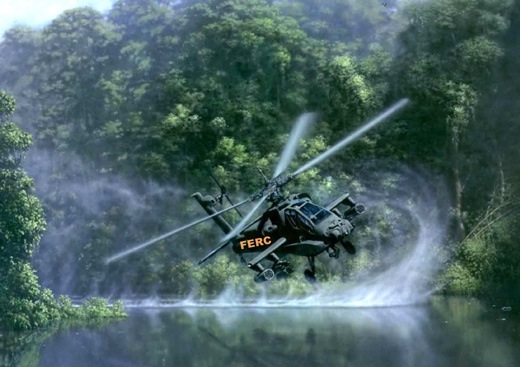
FFP Hydroelectric Land Rush

SOURCE: Ken Taylor (taylork021@hawaii.rr.com)
SUBHEAD: Free Flow Power is speculating and making claims through FERC to potential hydro sites in many places.  

By Alex Silbajoris on 5 October 2009 Scioto River Friends - 
  (http://sciotoriverfriends.org/news/hydroelectric.html)

 
Image above: The 1849 Gold Rush wasted the streams and rivers of California. From (http://www.postalmuseum.si.edu/artofthestamp/subpage%20table%20images/artwork/history/Gold%20Rush/BIGgoldrush.htm).

As "green energy" becomes more attractive, hydroelectric power is drawing more interest. By generating electricity and selling it to the grid, there is profit to be made from flowing water. Companies are prospecting claims on existing and potential dam sites, and one such example is Columbus' Griggs Dam on the Scioto River.

Hydroelectric projects operate under license from the Department of Energy's Federal Energy Regulatory Commission (FERC). FERC uses a licensing process to regulate the hydroelectric industry. FERC applies terms and conditions in these licenses to control the design and operation of hydroelectric projects. Applications must meet criteria covering dam safety, environmental impacts, and other concerns. Licenses run 30 - 50 years, and they convey eminent domain to the license holder.

According to the FERC website, "A preliminary permit, issued for up to three years, does not authorize construction; rather, it maintains priority of application for license (i.e., guaranteed first-to-file status) while the permittee studies the site and prepares to apply for a license." In other words, this preliminary permit lets a company place a claim on a potential hydroelectric site, similar to a prospector staking a claim on a parcel of land. This is happening now, at Griggs, in a process largely hidden from the public view.

On March 25, 2009, the Julian Griggs Dam Water Power Project, LLC (JGDWPP) filed a Notice of Preliminary Permit Application to study the feasibility of a hydroelectric project at Griggs. FERC published acceptance of this application on August 6, 2009.

FERC requires public disclosure of applications. According FERC's records, JGDWPP published their public notice re the application in the Northland News, one of the local neighborhood publications of Suburban News. However it seems no notice was published in the SN sister publications for Upper Arlington, Hilliard, Dublin, or Northwest Columbus. The Ohio Revised Code requires that public notices be published in a newspaper of general circulation. But JGDWPP published not in the city-wide Dispatch, but in a neighborhood newspaper whose circulation area does not cover Griggs.

The application lists the major components of the project: "The proposed Julian Griggs Project would consist of: (1) The existing 67.5-foot-high, 983-foot-long concrete dam; (2) the existing 385-acre reservoir with a 4,322 acre-foot storage capacity; (3) a new 70-foot-long intake structure; (4) two new 70-foot-long, 120-inch- diameter penstocks; (5) a new powerhouse containing two proposed generating units with a total installed capacity of 4.0 megawatts; (6) a new 100-foot-long tailrace; (7) a new switchyard containing a single three-phase step-up transformer; and (8) a new 1,100-foot-long, 34.5- kilovolt overhead transmission line."

 All this would go somewhere in the existing park. In exchange for the public's loss of the land, an estimated annual output of 12,000 megawatt-hours would be sold to the grid by a private, for-profit company. Who would make this profit? The permit applicant is the Julian Griggs Dam Water Power Project, LLC, which was formed on March 16, 2009, but who is behind that entity? The Applicant Contact is Mr. Alan Skelly of Cincinnati. In a Google search for that name, the first result listed indicates he is the CEO of Ohio Power and Light, of Cincinnati.

The Ohio Power and Light website shows little more than a transmission line, an electric meter, a flowing stream, and a woman carrying a child on a beach. A hydropower page on the site also says little. According to the documents associated with the FERC permit application, another agent and firm appear to be leading the effort. A Mr. Ramya Swaminathan is listed as the Managing Member of JGDWPP, LLC, but also, is shown as Vice-President, Project Development, for the firm Free Flow Power Corporation, located in Gloucester, Massachusetts.

The Chairman of Free Flow Power Development LLC is Brig. Gen. (Ret.) Robert Crear, , who headed the Army Corps of Engineers' Mississippi Valley Division. Additionally, Mr. J. Mark Robinson serves as an Advisory Board member. According to an August 2009 press release, "Mr. Robinson retired in June as the Director of the Office of Energy Projects at the Federal Energy Regulatory Commission (FERC), where he was responsible for FERC's regulatory approval of new energy infrastructure development projects, including hydropower projects."

The Free Flow Power website indicates two subdivisions, of which Free Flow Power Development, LLC, is responsible for developing hydroelectric projects, primarily on rivers. Their page lists these criteria for site selection: economies of scale, proximity to large consumers of energy, low environmental sensitivity, minimum flow, minimum depth, and absence of significant recreational use. While many who know the Scioto at Griggs might well agree that it often fits the criterion of "minimum flow," the environmental sensitivity and recreational use in the area would seem to rule it out.

Yet the permit was sought. Griggs Dam is owned by the City of Columbus, and operated by the Department of Public Utilities, Division of Water and Power. An inquiry sent to Maintenance Manager Larry Krall brought this response: "Reply from my administration 'City is aware of this application and of other applications for this site and another City owned dam, and it is our understanding that there are several, mostly newly formed, companies mining state dam inventories and filing permit applications for any dam they think might be capable of supporting a hydroelectric facility.

Although these companies can file for permits without the owner's knowledge or consent no facilities can be built without the owner's consent, and at this time the City has no plans to develop or allow the development of hydroelectric plants at any more of its dams.' Thank you for your interest."

 It is unclear whether the public-comment period for the FERC permit ends on October 7 or 17. While the City stands against this project "at this time" the secretive pursuit of this permit makes it unlikely that many other objections have been raised. And, the City might be persuaded to approve, if there is a sufficient monetary incentive.

 Development is a compromise between competing interests, and FERC weighs public concerns and comments in its permitting and licensing terms and conditions. Across the table are the formidable resources of a major hydroelectric energy player. It's a contest between green recreation vs. green profits, and the integrity of our parkland is at risk.

 .

Polynesians again reach Hawaii

SUBHEAD: Navigators from Polynesia land seven canoes with crew from 14 islands at Kualoa, Oahu. By Gorden Y. K. Pang on 26 June 2011 for the Star Advertiser - (http://www.staradvertiser.com/news/20110626_Navigators_from_Polynesia_land_their_canoes_at_Kualoa.html) Image above: Pererika Makiha aboard the Te Matau a Maui was among the crew members waiting to be shuttled off their voyaging canoe to Kualoa Regional Park. From original article.

The sun broke briefly through the overcast sky over Kualoa Regional Park Saturday morning as the crew members from seven canoes that had journeyed across the Pacific made their way to shore.

The voyagers, who numbered well more than 100 people, came from 14 island nations in the South Pacific, including Tahiti, Samoa, Fiji, the Cook Islands, Aotearoa (New Zealand), Tonga and New Guinea.

It was a chicken-skin moment for many of the 1,000-plus people who gathered to greet them and understood the symbolism of the arrival. Hokule‘a, the first double-hulled voyaging canoe to make its way across the Pacific through traditional celestial navigation in 600 years, set off for its mission to Tahiti from Kualoa in 1975.

Thirty-five years later, navigators from the nations touched by Hokule‘a had come here, also relying on the stars to find land.

Frank Kawe, who captained the Aotearoa vessel Te Matau A Maui, said, "It's important to complete this aspect of the journey — to bring the newer people who've begun voyaging and sailing from our part of the Pacific up to meet the family that's been here and has been doing this work for 35 years," Kawe said. "These are some of the lifelong friends we've made over the years that have hosted us, that have fed us, that have trained us."

Kailua resident John Myrdal, who paddles recreationally in Lanikai, sat on the beach alone and watched in awe at the seven canoes, constructed in Aotearoa specifically for this journey, sat moored side by side in the bay with the flags of different nations flapping in the wind.

"Any time people from different backgrounds and cultures can get together — it's a good thing to reconcile the differences we may have had in the past in this world. You can't help but be impressed by the camaraderie and people acting as one human race."

Nani Kauka of Kailua canceled all the other activities she had planned for the day so she could attend the "once-in-a-lifetime" event.

Polynesians are "getting back to realizing that we are probably one of the greatest voyaging cultures in the world," Kauka said. "What Hokule‘a did was instill in the rest of the Polynesians a desire to reclaim their cultures."

The mission of the voyage, dubbed "Te Mana o te Moana" or "The Spirit of the Sea," is to promote global awareness of increasing threats to the environment and the world's oceans, the Pacific in particular. It is sponsored by Okeanos — Foundation for the Sea, a nonprofit founded by German native Dieter Paulmann.

The voyage began in Aotearoa in April and arrived in Hilo a week ago. While on Oahu during the next 10 days, representatives from the project will take part in Kava Bowl Ocean Summit 2011 at the Imin International Conference Center. After a stop on Kauai, the contingent will head to California.

Billy Richards, one of Hokule‘a's original crew members, said the voyage has not only brought the peoples of the different island nations closer, but also has helped provide what essentially are classrooms for a new generation of Pacific navigators.

The voyage's message of environmental awareness was also repeated throughout Saturday's celebration.

"The Earth's in trouble," said Hokule‘a master navigator Nainoa Thompson, chief executive of the Polynesian Voyaging Society. "And the one piece that needs to be saved first — because otherwise nothing else will make it — is the oceans. And I would argue that the largest, the most magnificent and the most powerful ocean of them all is the Pacific. And if we lose the Pacific, ecologically, it's over."

.

KIUC secret plans continue

SUBHEAD: Now we know the sign that KIUC is lying. It's when their lips are moving. By Andy Parx on 23 June 2011 for Parx News Daily - (http://parxnewsdaily.blogspot.com/2011/06/ask-alice.html) Image above: KIUC CEO David Bissel is smiling with crossed fingers. Mashup by Juan Wilson. It didn't take long for our phone to start ringing yesterday and, as is usual when we describe someone- in this case people with Kaua`i Island Utilities Co-op (KIUC) - grasping at straws, trying to overcome past stupid foibles by spewing additional half-truths and outright lies, as things get clearer and clearer they also get curiouser and curiouser. KIUC's latest "claim,"- as we called it yesterday even though we know how charged that word is as opposed to simply "said" that essentially KIUC has only thus far received "preliminary permits" through the Federal Energy Regulatory Commission (FERC) process and that the state doesn't oppose that, has a few people confused. Because for it to mean anything at all it would mean that those urging a "no" vote on the ballot question co-op members are currently being asked to decide, have won and KIUC is stopping the FERC "process" with these "preliminary permits." The question that we came away from those calls with is "so what." Because unless KIUC has decided to reverse course and end their involvement with Free Flow Partners (FFP) and abandon the actual development of the hydroelectric projects, it's an absolutely meaningless red herring. Because, although we can't be sure what in the heck KIUC has agreed to in their super-secret Memorandum of Agreement (MOA) with FFP because they won't let anyone see it. It's quite obvious that the "FERC process" they speak of includes the actual development of the projects and the granting of full FERC "licenses" to do so. That bit of obfuscation and some other things were made a bit clearer with the on-line availability of Joan Conrow's Honolulu Weekly article on the subject. But one thing, if we're reading it right, just adds another layer to the original sins of KIUC in secretly signing up with FFP. Joan writes that:
The utility actually followed the lead of Free Flow Power (FFP), a Massachusetts-based consortium of consultants and investors that filed the permit applications that created a community uproar. The utility became embroiled when it bought Free Flow’s permits and hired the firm (emphasis added) to guide it through a hydro development process administered by the Federal Energy Regulatory Commission (FERC) in Washington, DC... To stake its own claim, KIUC purchased the shell companies that FFP formed to file six applications on waterways (emphasis added) from Hanalei to Kekaha. FERC has already approved three, giving KIUC preliminary permits that carry the exclusive right to study hydroelectric development for three years.
Now those following the the issue down the rabbit hole will remember the original claim by KIUC CEO David Bissell and their attorney David Proudfoot was that the reason they went to FFP and engaged in the FREC process was so that they could make sure that someone else didn't apply for a permit, which grants the exclusive rights to a three-year period to consider development. But if we're reading Conrow's contention right it sounds like that "someone else" might just have been... drum roll... FFP. That would certainly explain why, as opponents have said, KIUC chose a company with no hydroelectric track record that sounds more like a venture capital firm- with shady connections- than an energy developer. While as KIUC has indicated there may have been others who they were afraid of it makes you wonder who is extorting whom. As we said in our "editorial" Monday- and as Conrow makes abundantly clear- "nothing but a pack of cards" KIUC has created a situation where anyone who didn't, as they say, think that "a sign that they're lying is that their lips are moving" before this episode, is certainly convinced of it now. Yet unbelievably, Bissell is quoted as bizarrely having said:
“I encourage everyone to have trust in KIUC, have trust in your elected board, have trust in me and, most importantly, have trust in yourself. The only way these projects will go forward is through overwhelming community support.”
All we can say to that is "eat me." See also: Ea O Ka Aina: Community Meeting on KIUC 6/24/11 .

New Garden of Eden Myth

SUBHEAD: Somehow we'll be able to escape catastrophic climate change by migrating north. By John Laumer on 25 June 2011 for TreeHugger - (http://www.treehugger.com/files/2011/06/new-garden-eden-myth-well-escape-catastrophic-climate-change-by-moving-north.php) Image above: "American Progress", 1872 painting by John Gast became symbol of the myth of "Manifest Destiny". From (http://www.destinyschildren.org/en/timeline/the-us-mexican-war/manifest-destiny). People who've never been to a wilderness area treasure the idea that they one day could. (This explains broad public support for Federal and State wilderness protections.) City dwellers think if they can learn how grow a tomato in a bucket they could live off the land - if needed. A person 'texting' while driving believes he'll never get in an accident, 'unlike those other dummies.' Here's the climate adaptation corollary : 'If it gets really bad, we'll move to upstate New York or to Saskatchewan or something and farmers farther north will grow more food for the nation.' Wrong.

Aside from the fact that the fantasy neighbors may not welcome a stream of climate refugees - absence of an NRA sticker on the front door does not, by the way, mean soup's on, come on in - such thinking is dangerously delusional.

The best land for raising cash crops in North America is already in production and that land could be vulnerable to flooding or drought. Looking out your airplane window and seeing all that seemingly vacant land between the coasts bears no evidence whatsoever on agricultural potential. There are no extra millions of green acres (that there might be, is the New Garden of Eden Myth).

In the US South, extended, severe drought has taken the upper hand over many farms. For details on what this may mean, see: Will Climate Again Drive US Internal Migrations? I also strongly recommend West Palm Beach Florida Has Just A Few Week's Worth of Water Left...Gulp

It's true there are good soils in the Great White North. But, the total combined acreage of such soils is small and the suitability for corn and soy is very limited. Take, for example, the New York State Soil, which is called Honeye Soil. There are only about 500,000 acres of it in the entire state - the best they have.

Honeoye soils are used for corn, soybeans, wheat, oats, vegetables, alfalfa, grass pasture and hay, and grape and apple orchards. Woodlots contain sugar maple, white ash, red and white oak, hickory, and associated species. These productive soils occur on about 500,000 acres in New York

Michigan's Kalkaska soil is mainly good for stumps, taters, and strawberries. That's why they make cars!

Kalkaska soils formed in sandy deposits left by the glaciers that once covered Michigan. These soils are used primarily for hardwood timber, namely sugar maple and yellow birch. Some areas are used for the production of Christmas trees or for specialty crops, such as potatoes and strawberries

The State of Washington has more than 1,000,000 acres of 'Tokul soils.' These State Soils are on the western side of the Cascade Mountains along the Puget Trough, from south of Seattle north to the Canadian border.

Keep in mind, the growing season along much of the northern border of the US, regardless of how good the State Soil happens to be, is relatively short compared to the former mesic prairie acres of Southern Minnesota, Iowa and Illinois, for example. These are the acreages that beat all others in productivity. If they are lost to climate change, we are in deep crap.

Also good to remember: the farmers in Saskatchewan are up on the hockey stick and know how to use it.

Bottom Line Don't assume that Southern farms lost to extreme drought will be replaced in the northerly states with similar cropping systems and that the replacement acres will reach comparable levels of productivity in time to save our obese asterisks.

Northern soils and cropping practices are very different than in the South; and, while the climate is in long-term transition there is no assurance that first and last frost dates in the north will be predictable and steady. No climate model has enough resolution to put a risk number on this issue. So ask yourself, do you feel lucky?

The best thing you can do for the climate is work hard to get out the vote for the next election. Sign up now.

.

Collapse and Continuity

SUBHEAD: Prunings of the Tree of Life, were essential to us: each cleared the field for new diversifications.

 By Robin Datta on 23 June 2011 for Nature Bats Last -  
(http://guymcpherson.com/2011/06/collapse-and-continuity)

 
\Image above: Onset of mass extinction event that destroyed the dinosaurs. From (http://network.earthday.net/profiles/blogs/what-is-mass-extinction-are-we).
 
This is an attempt to address collapse in its greater temporal context.

Collapse is a regression that is perceived by the observer as a change of a large magnitude over a short period of time. This regression is in a direction towards the status quo ante. However, there can be many irreversible changes during the time interval measured from the status quo ante: in such cases collapse cannot produce an exact reversal to that prior state. Such regression is caused by the progressive and cumulative failures of essential components of a system, through their destruction, lack of maintenance, and/or lack of sustenance.

Collapse can occur in static systems as in the controlled demolition of a building, when the supporting structural elements are removed. In a dynamic system, such as a star, collapse occurs when the supporting forces, energy — generated through nuclear fusion — radiating outwards declines as the nuclear fuel is depleted: gravity is then unopposed.

A human society collapses when there is a progressive shortfall in meeting its needs. The most critical of these, as recognized by Abraham Maslow’s Hierarchy of Needs are the physiologic needs. Respiration is of such immediacy that it is usually considered a given. The other physiologic needs are hydration, nutrition, and homeothermy (the maintenance of body temperature, through clothing and shelter). While community and its corollaries including security are essential in a larger frame of reference, they presume the adequate sustenance of the physiologic needs.

Meeting the needs requires the provision of items of daily use including potable water, food, clothing, shelter, etc. All of these are ultimately derived from Nature: sunlight, arable land, flora and fauna, wind, water resources, energy sources, etc. and these constitute the primary economy.

Conversion of items from the primary economy into usable items in the secondary economy is by the direction of streams of energy with appropriate skills (= services). Some items in the secondary economy represent very large amounts of embedded energy, as in buildings, bridges and other infrastructure.

To facilitate the exchange and transfer items of the primary and secondary economies, symbolic representations of value are used. These can be cowrie shells, wampum, disks of base or precious metals (coins), printed paper issued by an authority wielding force (government issued paper money) or even magnetized particles or a hard drive. The symbols can be represented by other symbols, such as collateralized debt obligations, certificates of deposit, and other derivatives, and even derivatives of derivatives.

A dollar or a dime is the promise of the state (not the cashier at Wal-Mart) to make good the value it represents in items of the primary or secondary economies when the cash is tendered. This promise is redeemed by making the symbols “legal tender”: coercion, through the threat of force, to accept it as the medium of exchange.

The tertiary economy can be expanded by producing more symbols and derivatives, all of them promising to make good at some future date, their purported value, in items of the primary and secondary economy. Larger numbers and longer times to redemption make for “fiat growth” in the tertiary economy even when the primary and secondary economies may be contracting.

The critical factor in the industrial society that distinguishes it from prior societies is the ability to entrain massive amounts of energy. Harnessing sunlight by cultivation of plants and animals gave agricultural and pastoral societies an advantage over the prior hunter-gatherer paradigm. This exosomatic (originating outside the body) energy was far greater than the hunter-gatherers could command. It was increased further by many orders of magnitude when fossil fuels were harnessed. The endosomatic energy (originating inside the body) could be used to control exosomatic energy streams very many orders of magnitude greater.

Both agricultural and industrial exploitation of energy had limitations: arable lands and fossil fuels. But while arable lands may decline, appropriate practices can minimize this or even prevent it altogether. And depleted lands can be restored by careful management within decades — a human lifetime. Fossil fuels, on the other hand, take hundreds of millions of years to generate, and no such options are available to replenish them as their extraction proceeds apace.

Increased energy availability translates into increased availability of food: increased substrate in biological systems fosters growth and replication, In human terms this translates into increased populations. Populations increase pari passu with energy availability. Current human populations are sustained with significant undernutrition and starvation by the fossil fuel extravaganza. Depleting fossil fuels will result in depleting populations if energy availability declines with the fossil fuels: and as yet no alternate energy sources fill the bill, either in scalability or in energy return on energy invested.

Sustainability implies the continued fulfillment of the needs that maintain a system. In agriculture this can be approached by recycling the plant and animal (including human) waste/products back to the soil via composting. Fossil fuels however, cannot be recycled. Matter can and should be recycled.

Energy is a one-way street. The Three Laws of Thermodynamics (pertaining to energy) can be roughly summed up as:
1. Nothing is lost. 2. Everything turns to trash. 3. You cannot stop it or clean it up.


The Second Law reflects the direction of energy flows, from concentrated (low entropy) to dilute (high entropy). This implies the heat death of the universe, when the energy is evenly distributed throughout and puts a limit to sustainability. Sustainability comes with its time scale: when the scale is not mentioned, it is understood that it is so large that in is being excluded from consideration.

Marion King Hubbert’s time scale for petroleum depletion was derided and ignored until the reality loomed large. Then of course, every possible ploy was used to rebut and/or deny that prognostication, with little effect or mitigating the reality. Rather, they stalled any useful measures towards mitigation while the windows of opportunity were still open. With declining energy availability, any substantial adaptive changes to infrastructure are moot. The option to minimize trauma in this regression has been discarded.

Yet this tsunami is a wave, albeit of different magnitude and consequence. It is the first one in recorded history to affect humanity, but not the first bottleneck: it is estimated that at one time there were as few as six hundred breeding pairs of humans. There is less genetic diversity in all the nearly seven billion humans today than in a band of chimpanzees in the 3% of the DNA in which we differ from them. Our closest relative, the Neanderthals (now extinct for 32,000 years) had survived for 400,000 years — twice as long as we have.

Now, however, a substantial part of the carbon sequestered in fossil fuels through a combination of biologic and geologic processes over hundreds of millions of years is being released in hundreds of years by another of nature’s creations, another oscillation (or perhaps wild gyration) in the larger scheme of things as billions of individual human stories unfold in the denouement. The associated environmental impacts including pollution have engineered the sixth great extinction.

Extinctions, however, have been followed by luxuriant radiations, a diversification of the survivors, often from a very narrow origin. The derived branches carry traits marking their ancestral kinships. Prominent examples include the three pairs of legs in insects, the seven cervical (neck) vertebrae in mammals, and the bony configuration common to both the lobe-finned (sarcopterygian) fish and the four-limbed vertebrates (Tetrapoda — although some, including snakes and whales/dolphins have lost their limbs).

Yet the range of diversity in insects and mammals calls no attention to the limitations imposed by the three pairs of legs or the seven cervical vertebrae: the loss of biodiversity through repeated prunings is masked by the regrowth. Similar diversification could be hoped for after this sixth (and greatest) extinction.

These prunings of the Tree of Life, however, were essential to us: each of them cleared the field for new radiations and diversifications that were cumulative from pruning to pruning and made Homo sapiens possible. The pruning of dinosaurs made room for mammals — and for primates (monkeys, apes and humans). We owe our existence to (among other things) the prior great extinctions.

The time scale to any future radiation and diversification might be estimated by looking backwards at the last great extinction, the one that retired the dinosaurs, 65 million years ago. Taken in the perspective of our genus — Homo — 2,000,000 years old, our species — sapiens – 200,000 years old, agriculture 12,500 years, written language 3,000 years, the recovery from the present extinction is far outside any human cultural context. Indeed, it could well be up for debate whether or not Homo sapiens would be extant on that time scale as the species we know today — even under the best of circumstances.

The replenishment of fossil fuels would involve a time scale of several hundreds of millions of years, combined with some very fortuitous circumstances, both geologic and biologic acting in concert. Barring some near-miraculous technology, another industrial age for Homo sapiens is not in the cards. Should another intelligent species appear in that time period, the biological drives may leave it susceptible to overshoot and dieback if presented the opportunity for unconstrained growth. Overcoming these drives may require a preponderance of wisdom to guide decisions and actions.

It has been suggested well before the fossil fuel depletion era that the absence of evidence for intelligent life elsewhere in the universe may reflect similar drives leading any and all intelligent beings to overshoot and dieback – and possibly extinction.

But even on a smaller scale, the transition through the current collapse and its bottleneck may bode better for those endowed with a measure of wisdom.

• Robin Datta was born in Quetta, Pakistan in 1949. His father was one of three Hindu officers in the Pakistan Army, and a veteran of the Burma campaign of WW2 (Regimental Medical Officer). Robin attended nine different schools as his father was posted to different places. His mother was also an officer in the Nurse Corps of the British Indian Army in WW2. Mother’s native language Telegu, fatrer’s Bengali; common language English (British Raj for two centuries). Spoke English as first language, but had to unlearn it rapidly in NY. Also speaks Urdu, the lingus franca in those parts, natively.
 
Datta graduated with a medical degree from Bangladesh in 1972, and learned Bengali in the process. He learned history from the locals in order to graduate, and moved to New York in 1973. He served in the Army two years (one in Korea, and half a year in Desert Storm). Served three years in the Navy. Flight Surgeon in both branches of service.


Datta completed Family Practice Residency in Louisville, Kentucky, and passed board exams both in Family Practice and Emergency Medicine. He worked in Emergency Medicine 1983 to 2009 in Kentucky and California (San Jose, Hollister, Fresno). He is single (never married) and retired with no dependents.


Datta is not sure what to do next. Whatever it is, it must include the imminent collapse. He is open to any possibilities and suggestions.


.